| Recidency center | |
|---|---|
| Recidency type | |
| Art form | |
| Time of residency | August 2026 |
| Country |
|
| Contact info | info@amanoanseo.com |
| Definition of artistic practice? | I am a singer, songwriter, animist and multidisciplinary artist working with Irish traditional and folk songs to create contemporary encounters with ecosystems and the other-than-human voices within them. Gaeilge (the Irish language) is a central force within my life and work. My mixed-ethnic identity as an Irish-Japanese woman also influences my continued interest in thresholds where cultures, identities and binaries fuse and/or dissolve. |
| Title of the investigation at the residency | We live(d) together: This is a sensing seat |
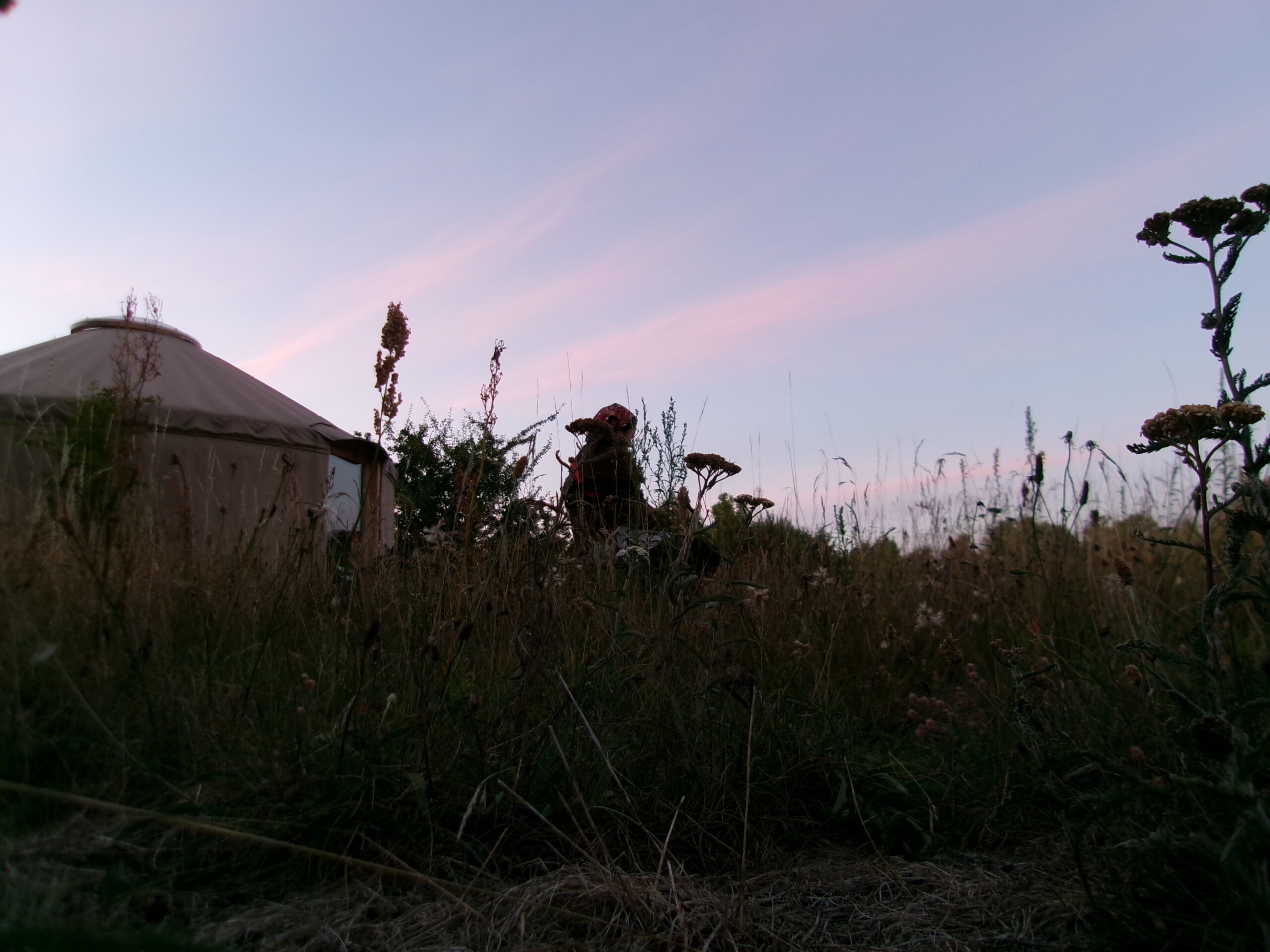
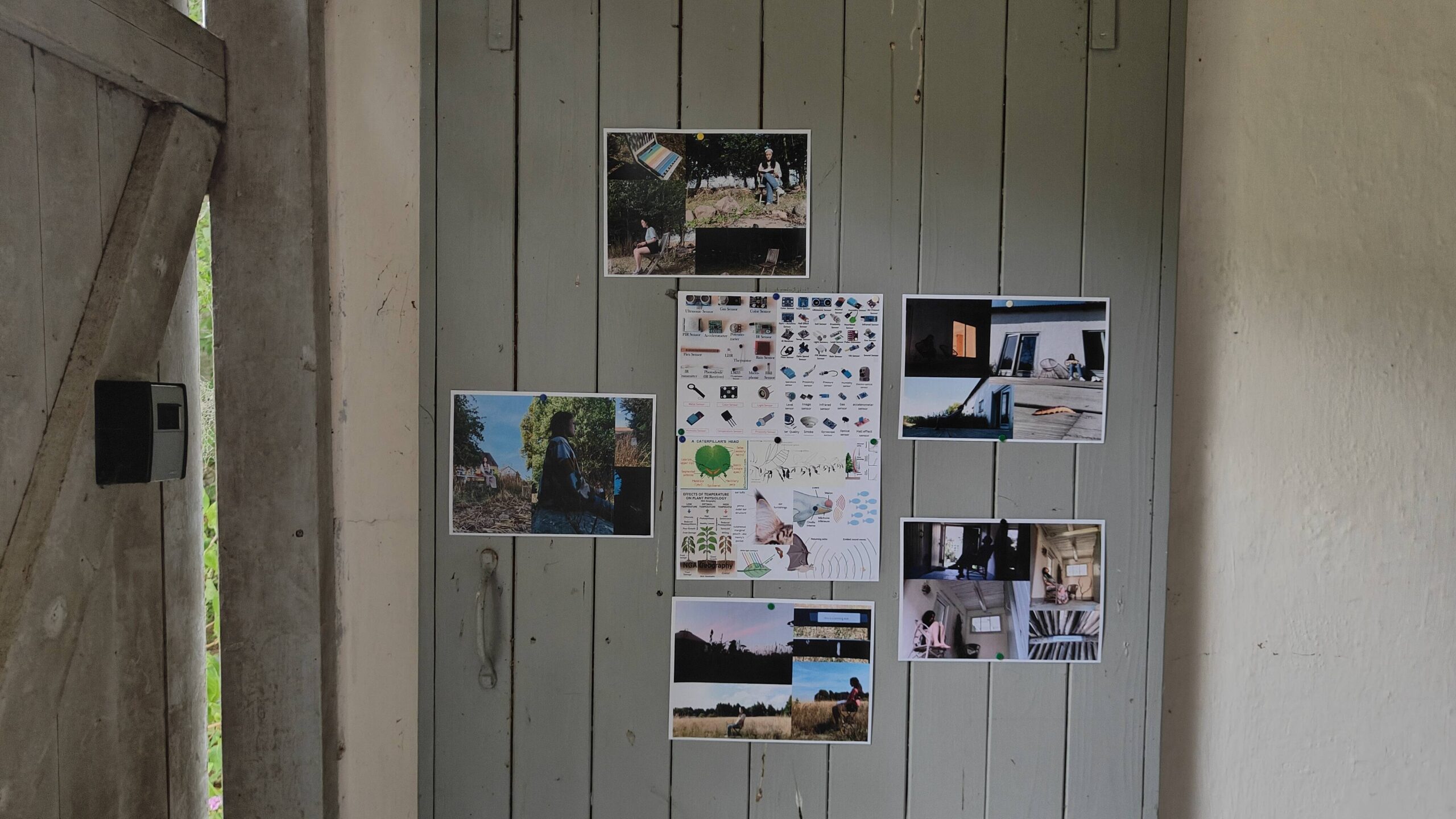
| Description of investigations and findings | This investigation repeated embodied writing practices at “sensing seats” installed at 5 specific locations around the grounds of BIRCA from periphery to centre. Through this practice I explored how a daily ritual of sensing within a micro-environment can quickly lead to the creation of a rich vocabulary of place and heightened sensitivity to the multiple voices, species and essences present and sometimes absent in a contained ecosystem. I also played with deviating from the 24 hour clock and instead experimented with a pre-modern Japanese time telling system as a more flexible container for my practice. I chose not to attempt to write songs or develop “works” until the two weeks had almost elapsed. I experienced remarkable ease, familiarity and fluency in references to the natural world around BIRCA and its inhabitants when I did eventually come to writing. The communal ethos of BIRCA greatly contributed to a sense of generosity and spaciousness within the research. |
| What are you most curious about or invested in in your own practice? | I am currently fixated on the hierarchy of empathy that exists in human to other-than-human relationships. For example, why are people drawn to write folk songs about birds more often than fish or bees? I am eager to investigate how new folk songs can create opportunities for greater inter-species empathy and contribute to improve social engagement on issues of habitat destruction and pollution. |
| What questions did you bring to investigate and what questions are you leaving with? | Brought: 1) How do the memories of extinct animals live on in island consciousness? 2) In what way do Bornholm residents experience relationship with wild animals, birds and fish? Taking: 1) How much of a human being's sensory experience is individual vs how much of it is a combined encounter with multiple communicating bodies in an ecosystem? 2) How can Europe's islanders join together in the battle against blue-green algae pollution? |
| Transformative, creative moments at the residency | I came directly to BIRCA from Stamsund on the Lofoten Islands in Norway. It was a stark transition and in trying to acclimatise and I turned to the comfort of laptop research. I set up a workspace in the garden on day 3 and began reading Bornholm specific birdwatching blogs. There was such a diversity of migrating birds mentioned that all I could think to do was start writing them all in a giant list. It was here that I realised the process of field-recording could be reimagined creatively. |
| Keywords for the work done at the residency | Deep listening, Ecologies, endangered languages, More than human, repetition, Sensing, sensory writing, songwriting, Time scales |
| Research locations | BIRCA grounds, Wood at BIRCA |
| Further documentation | Suantraí na Spioróg (The Sparrowhawk's Lullaby) |
| Photos documenting the research |
|
| Videos of work in progess or reflections | |
| Webside links |
Amano de Londra Miura